HomeExplorePricing
Sign In
HomeExplorePricing
Sign In
Newpair

A modern learning partner — your new pair for what’s next.

© Augment, Inc.

Legal
Terms of ServicePrivacy PolicySpecified Commercial Transaction Act
Lily and the Sweet Street of Dreams

Lily and the Sweet Street of Dreams

Lily finds a magical candy box that transports her to a fading candy world. To save it, she must rediscover joy, kindness, and courage—and believe in sweet dreams.

Latest courses

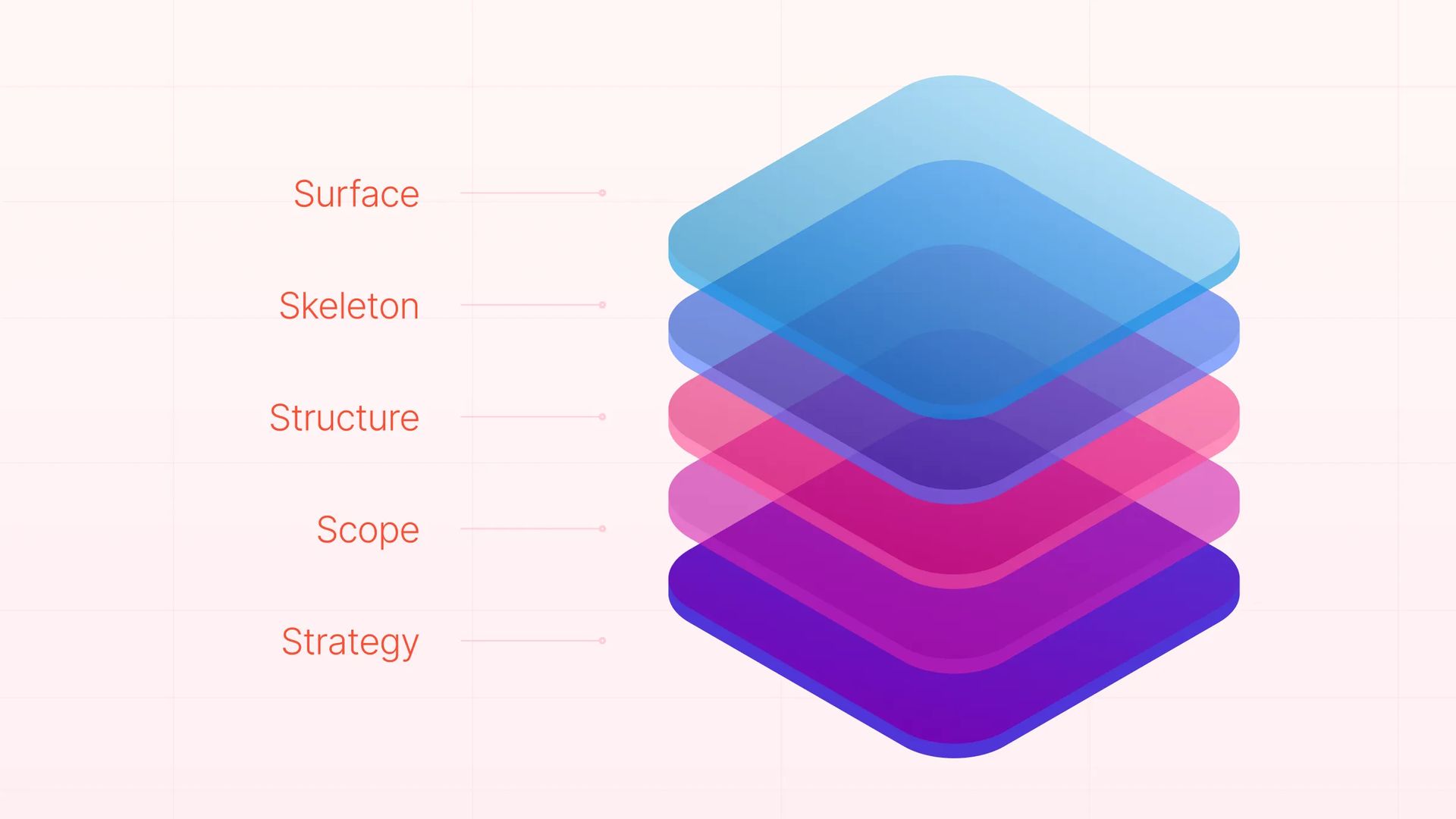
The Five Layers of UX Design

The Five Layers of UX Design

Fastest Way to Master It! Practical Guide to Modern E-Commerce Site Development — Next.js × v0 × Supabase × Stripe

Fastest Way to Master It! Practical Guide to Modern E-Commerce Site Development — Next.js × v0 × Supabase × Stripe

Everyday Communication and Emotions in English: Learning Conversational Skills through Listening

Everyday Communication and Emotions in English: Learning Conversational Skills through Listening

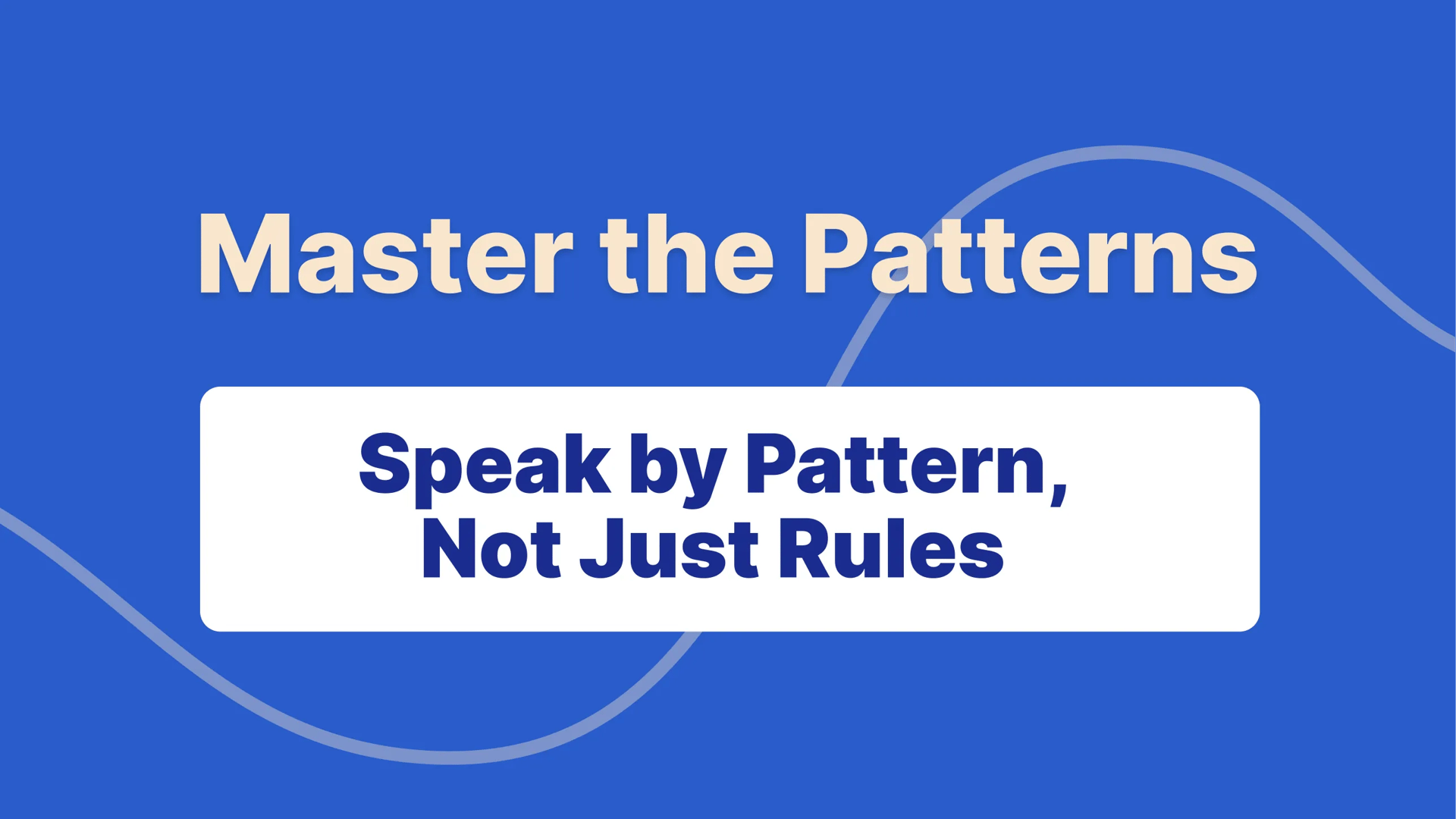
Truly Useful English Sentence Patterns: Speak with “Patterns” Instead of Rules

Truly Useful English Sentence Patterns: Speak with “Patterns” Instead of Rules

The Science of Learning English: Theory and Practical Methods That Deliver Results Even for Beginners

The Science of Learning English: Theory and Practical Methods That Deliver Results Even for Beginners

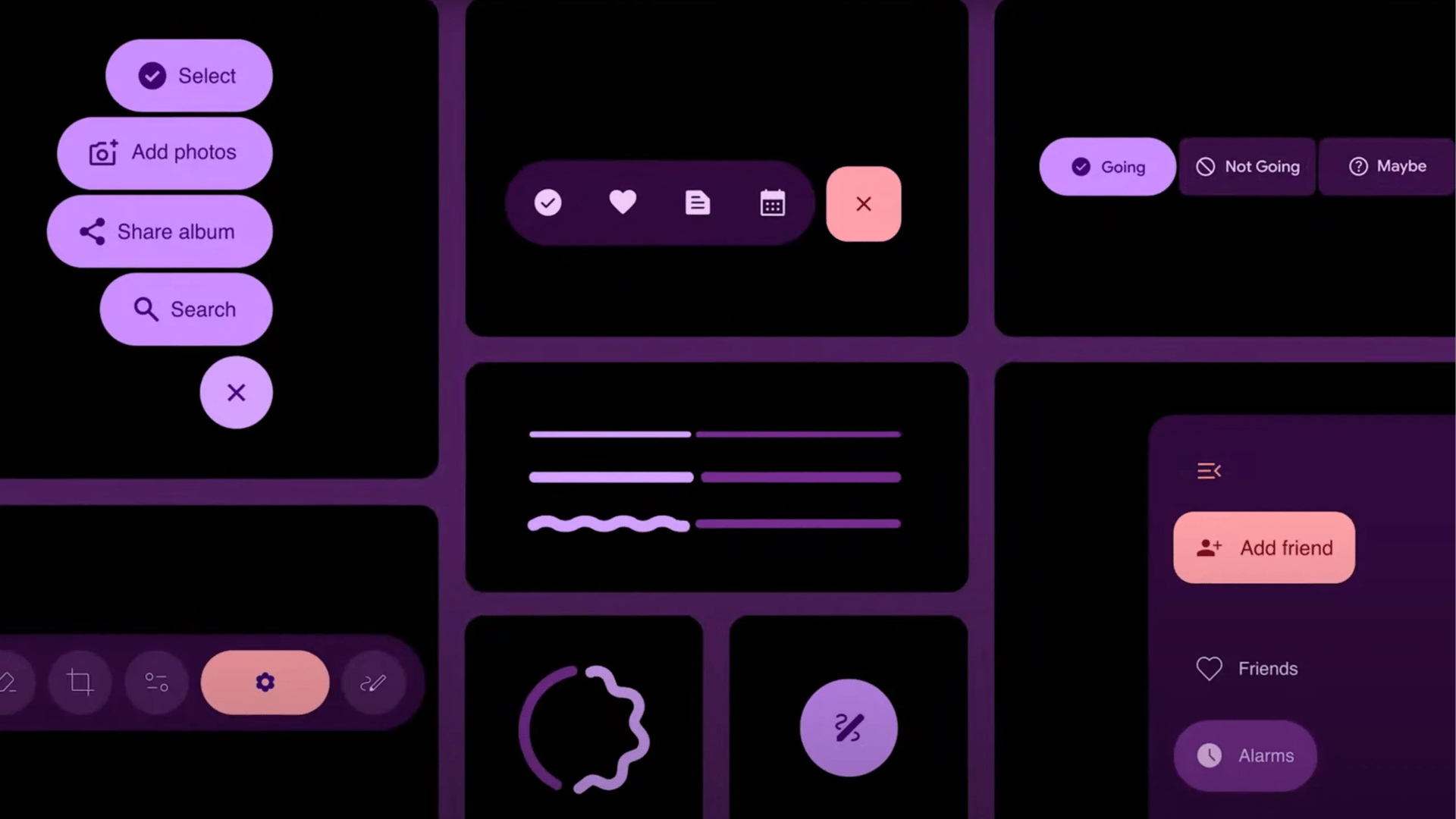
The Power of Designing Usability: From UI Principles to Next-Generation Interface Design

The Power of Designing Usability: From UI Principles to Next-Generation Interface Design

Conceptual Thinking Bootcamp | Training for Thinking Skills that Navigate Between Abstract and Concrete

Conceptual Thinking Bootcamp | Training for Thinking Skills that Navigate Between Abstract and Concrete

Lily and the Sweet Street of Dreams

Lily and the Sweet Street of Dreams

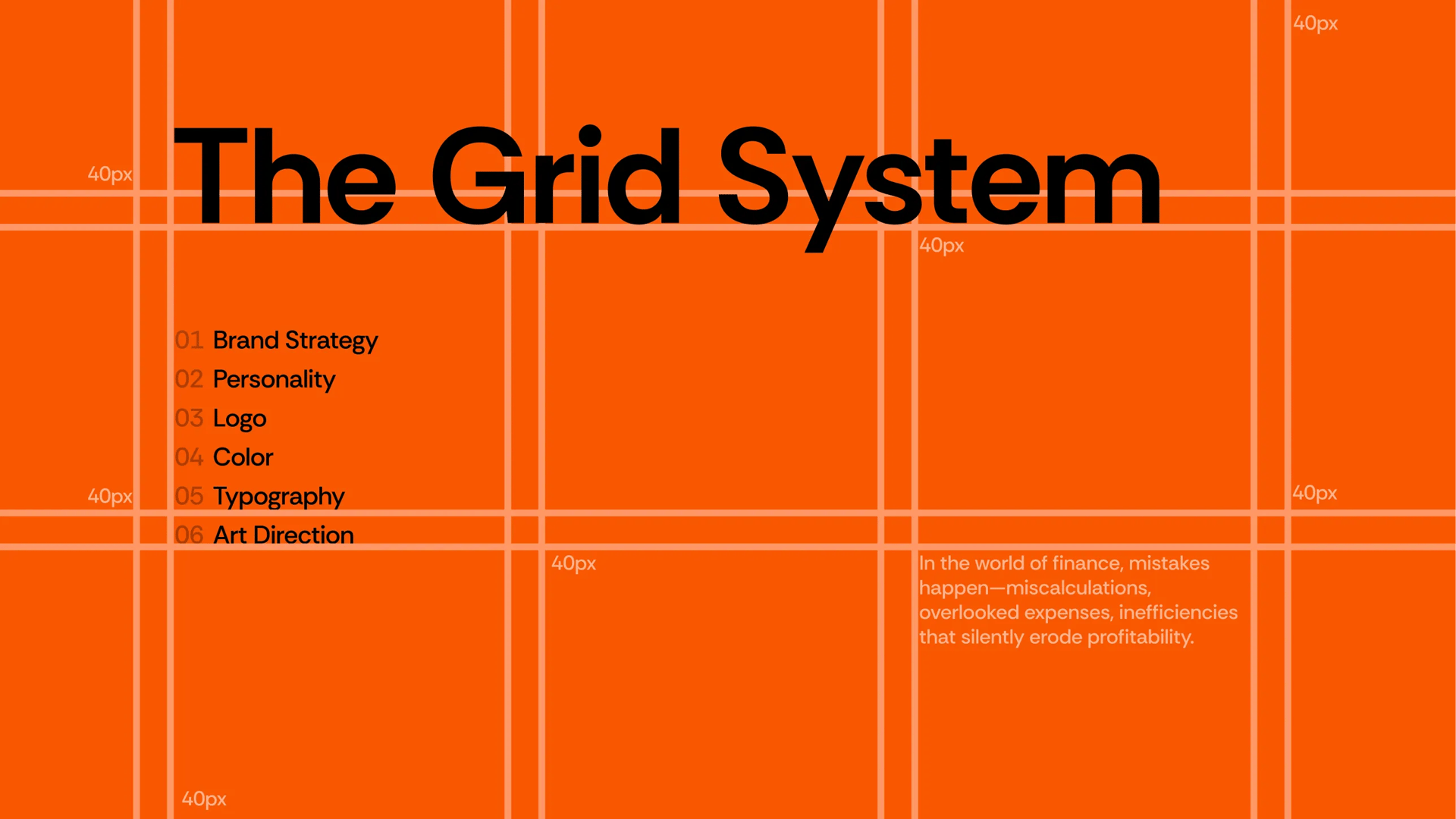
The Complete Guide to Figma for Beginners: From Basics to Prototyping

The Complete Guide to Figma for Beginners: From Basics to Prototyping

Latest modules

Creating Impressions - Surface Level

Creating Impressions - Surface Level

Assembling the Mechanism - Structural Phase

Assembling the Mechanism - Structural Phase

Easy to see and use - Framework Stage

Easy to see and use - Framework Stage

Identifying What is Needed - Requirements Phase

Identifying What is Needed - Requirements Phase

Defining the starting point of UX — Strategy phase

Defining the starting point of UX — Strategy phase

Modern Web Development with Next.js

Modern Web Development with Next.js

Fundamentals of Modern Deployment Learned through GitHub and Vercel

Fundamentals of Modern Deployment Learned through GitHub and Vercel

Payment Integration with Stripe

Payment Integration with Stripe

Building EC Product UI and Cart Functionality

Building EC Product UI and Cart Functionality

Implementation of Supabase User Authentication Features

Implementation of Supabase User Authentication Features

Latest content

Determining the Quality of UX: Design Thinking that Transforms Structure into Layout

Determining the Quality of UX: Design Thinking that Transforms Structure into Layout

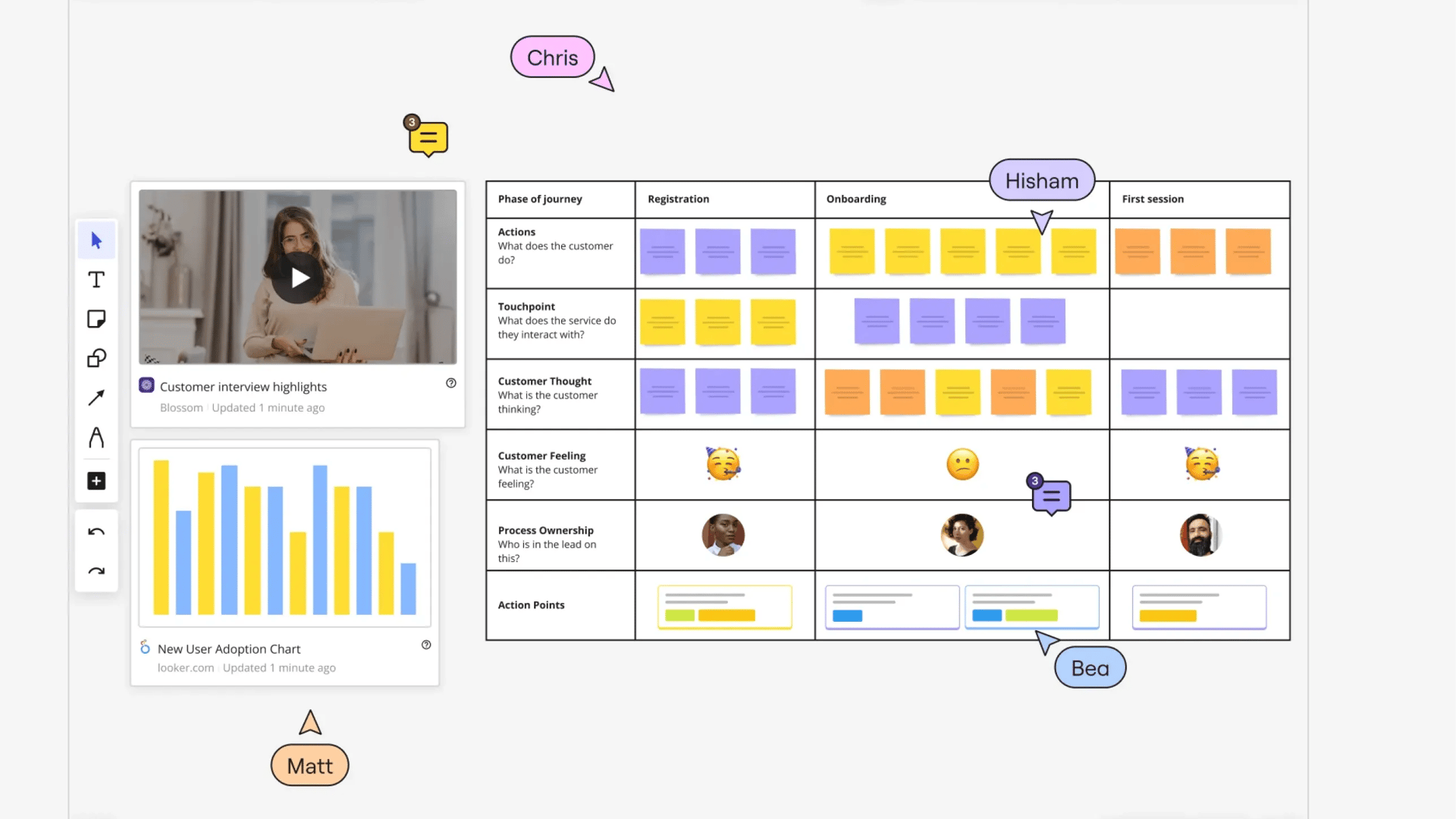
User Experience is a Journey: Customer Journey Map

User Experience is a Journey: Customer Journey Map

Why can an intuitive UI be used without thinking?

Why can an intuitive UI be used without thinking?

Designing Behavior: People Act on "Feelings" Rather than Logic

Designing Behavior: People Act on "Feelings" Rather than Logic

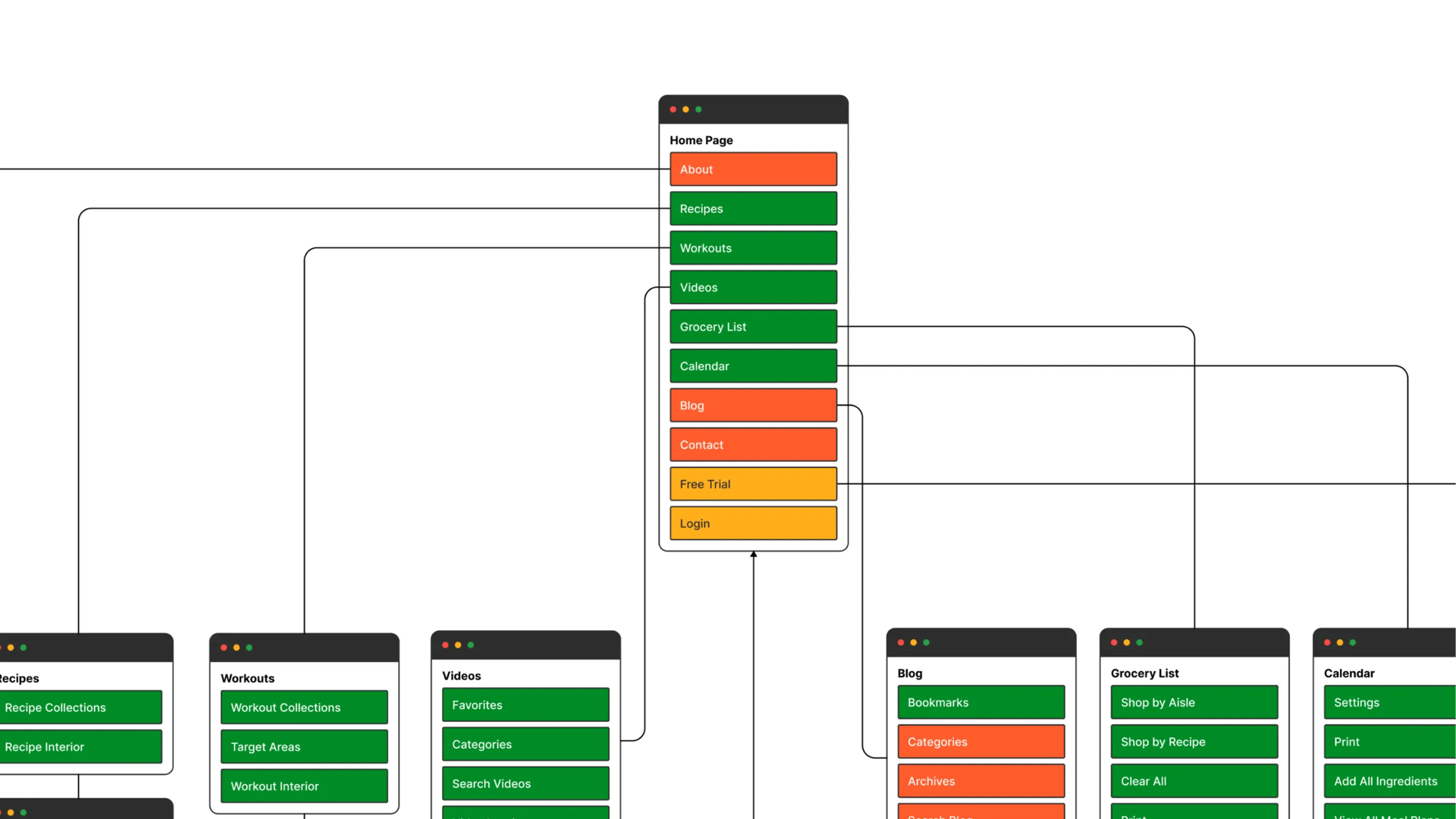
UX is not determined by appearance: "Information Architecture" determines the quality of the experience.

UX is not determined by appearance: "Information Architecture" determines the quality of the experience.

UX Design That Doesn't Lose Sight of "What to Create": Techniques for Defining Product Intent

UX Design That Doesn't Lose Sight of "What to Create": Techniques for Defining Product Intent

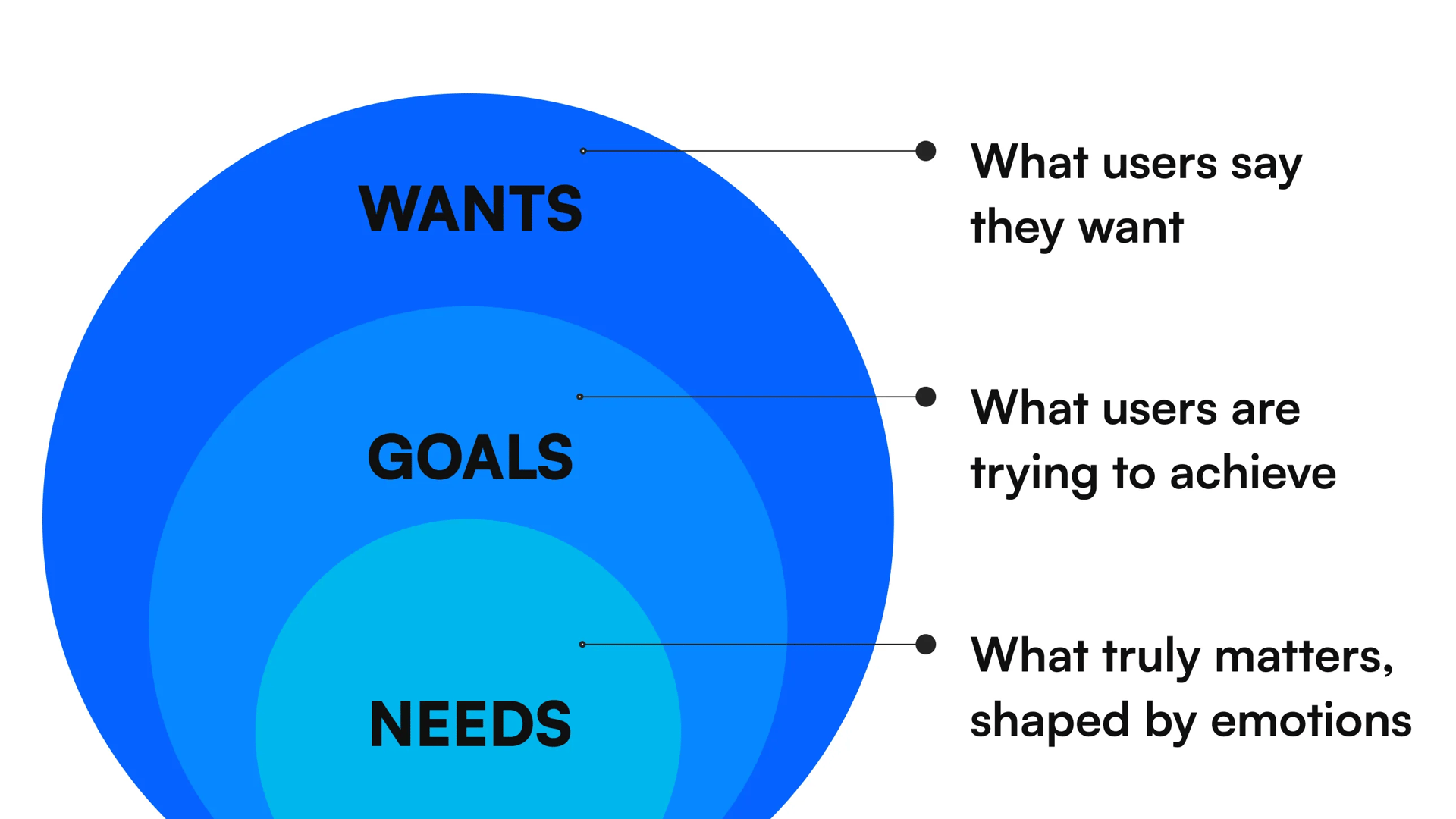
Articulating user requirements

Articulating user requirements

Clarifying and sharing user personas.

Clarifying and sharing user personas.

Why is a "starting point" necessary for UX strategy? — The initial question that leads to results.

Why is a "starting point" necessary for UX strategy? — The initial question that leads to results.

To prevent users from becoming "imaginary someone."

To prevent users from becoming "imaginary someone."